 Due to a technical problem, our website is only available to a limited extent. This also affects our download service area. We are already working on the solution and ask for your understanding.
Radar sensors for distance measurements and positioning
Radar sensors for distance measurement must be powerful in order to always measure accurately and reliably, even in complex industrial environments. accurate and reliable measurements even in complex industrial environments. Thanks to their unique measuring precision and real-time measuring rate, Kübler radar distance sensors are ideally suited for use in industrial applications - even under harsh conditions. The high-precision radar sensors have no moving parts, function without contact and rarely need to be cleaned. Even with dirt on the lens, the radar sensor usually measures absolutely reliably.
Radar sensors for distance measurements and positioning
Radar sensors for distance measurement must be powerful in order to always measure accurately and reliably, even in complex industrial environments. accurate and reliable measurements even in complex industrial environments. Thanks to their unique measuring precision and real-time measuring rate, Kübler radar distance sensors are ideally suited for use in industrial applications - even under harsh conditions. The high-precision radar sensors have no moving parts, function without contact and rarely need to be cleaned. Even with dirt on the lens, the radar sensor usually measures absolutely reliably.
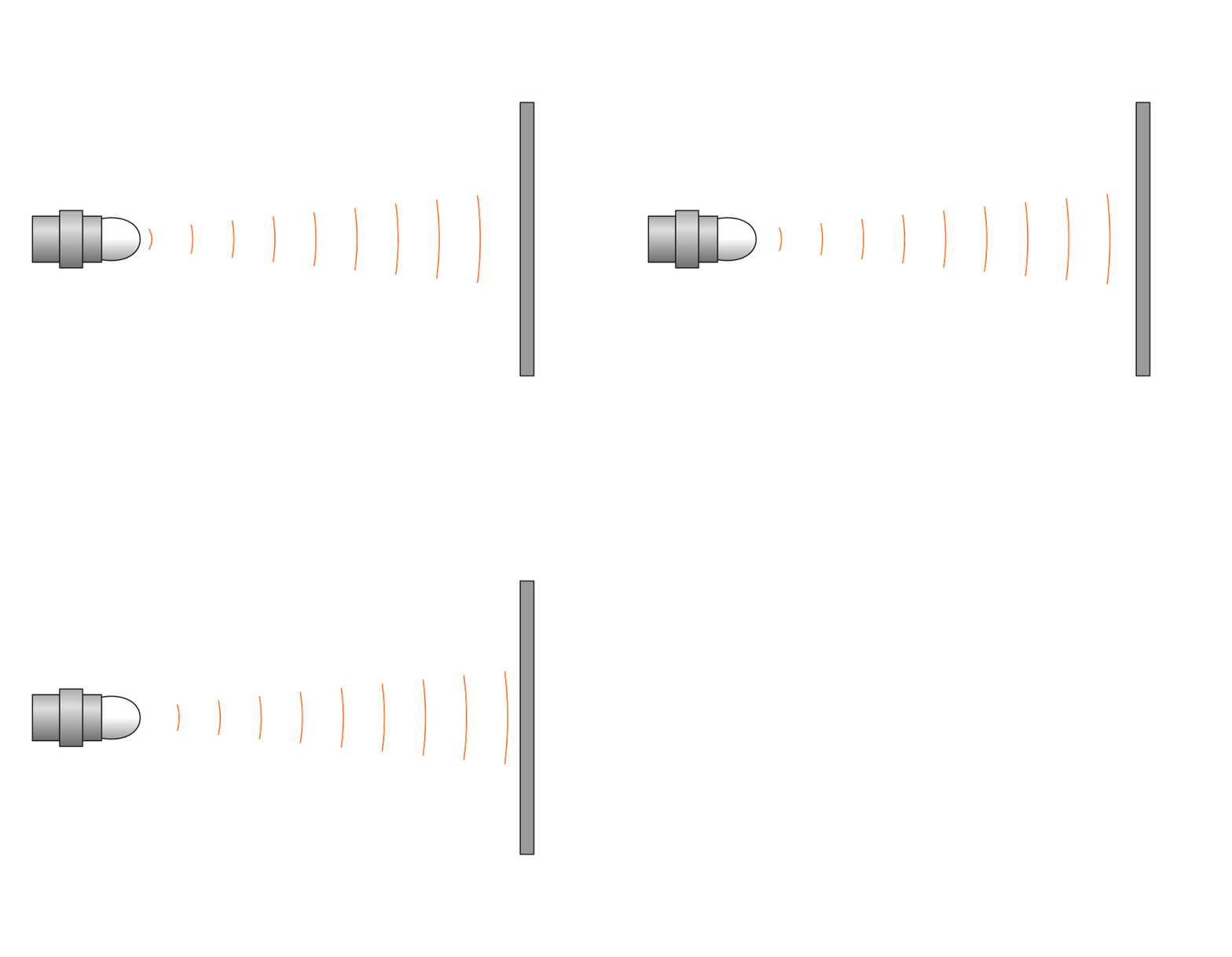
A radar sensor for distance measurement measures the distance between a reference point on the sensor and a target object. The sensor transmits the changing distance value to a controller via an interface. The faster the measured distance changes, the more frequently the sensor has to measure in order to correctly map the change in position. The measuring rate of a distance sensor is therefore just as important a quality criterion as its measuring accuracy and range.
Advantages of Kübler radar sensors
PRODUCTIVE
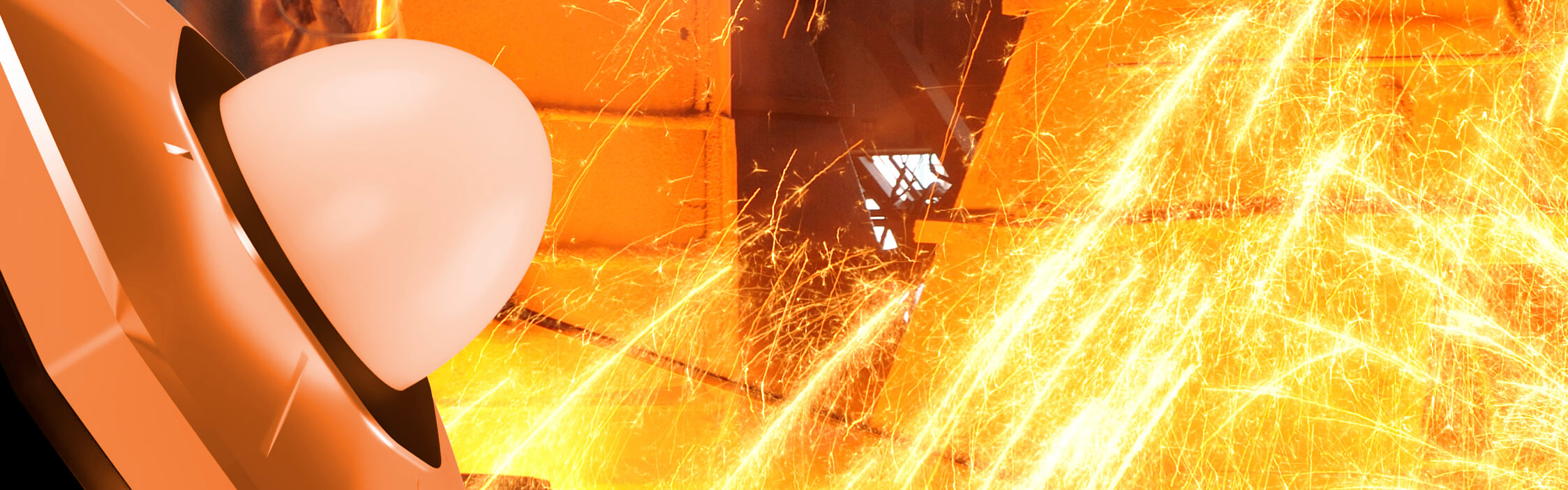
Precise distance measurement even in harsh industrial environments.

RELIABLE
Reliable & fast distance measurement even in dust, steam, smoke, vibrations or extreme temperatures
ECONOMIC
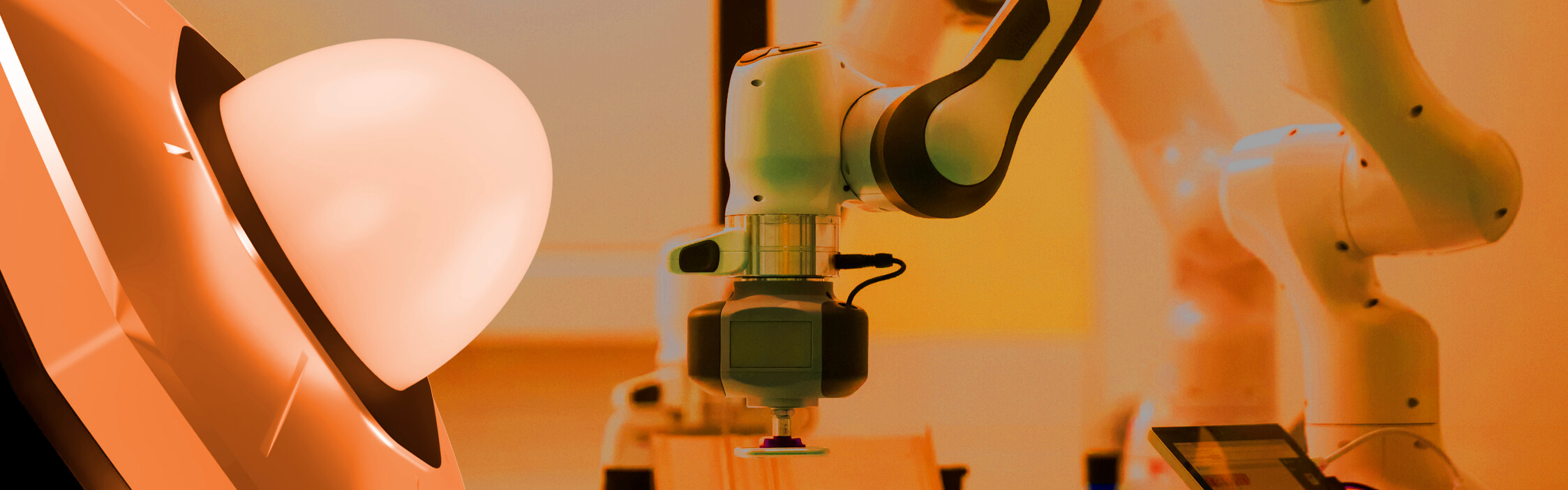
Minimal maintenance:
no moving parts - contactless measurement - hardly any cleaning required
Radar sensors for simple measurement tasks in a compact design

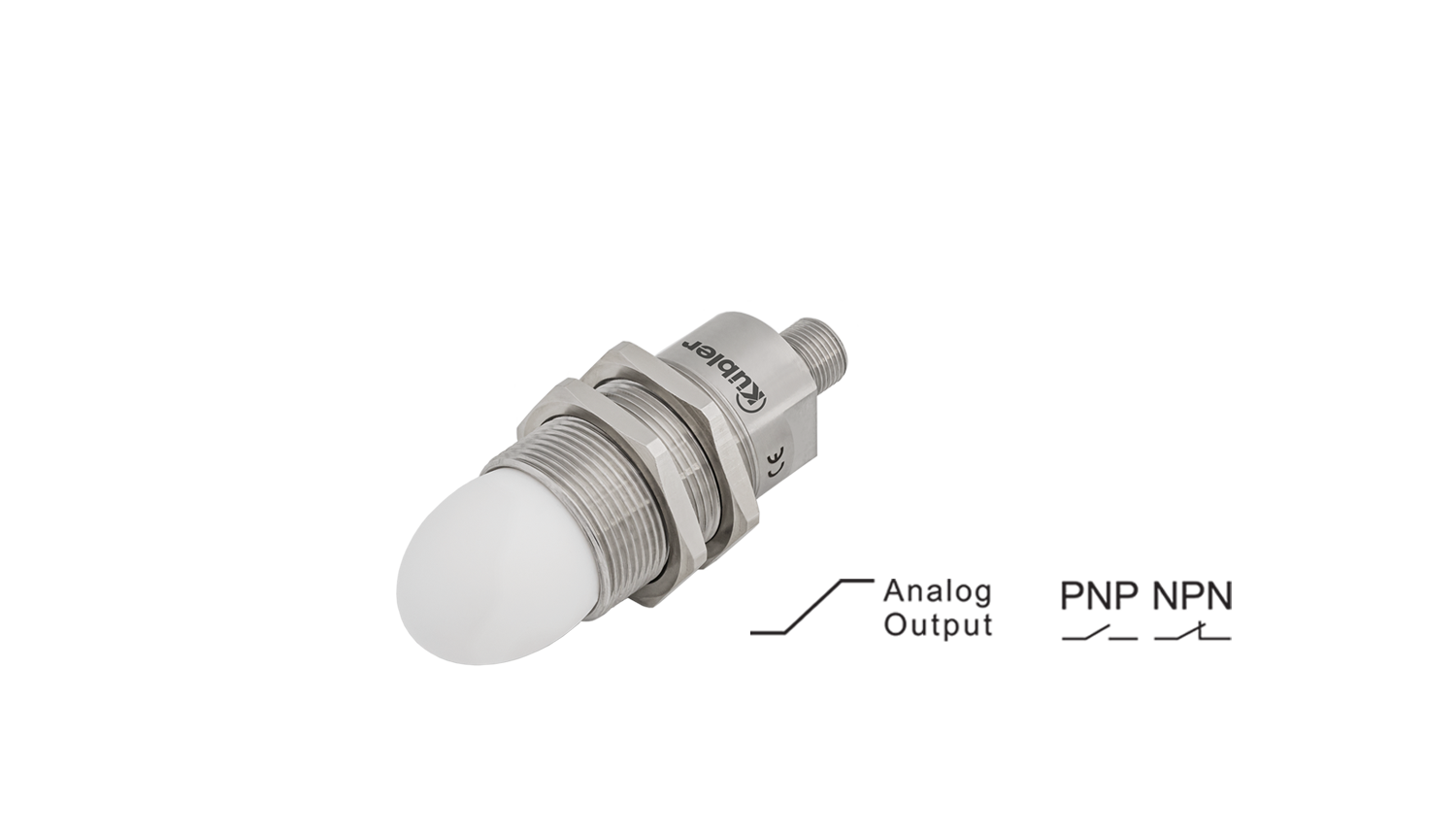
Narrow aperture angle of ±3° for focused, interference-free measurements with high signal strength.
- Linearity up to ±1 mm
- Compact design for confined installation situations
- wide measuring range from 0.15 to 20 m or 0.3 to 40 m
- simple installation, adjustment and commissioning
- analog output 4 ... 20 mA + 3 switching outputs
Additional aperture angle ±8° for the detection of measurement objects in a larger range - inaccuracies in the alignment of the sensor to the measurement object are better compensated.
- Linearity up to ±2 mm
- Compact design for confined installation situations
- wide measuring range from 0.15 to 20 m or 0.3 to 30 m
- simple installation, adjustment and commissioning
- analog output 4 ... 20 mA + 3 switching outputs
Maximum signal strength
Mounting bracket for optimum alignment of the sensor to the application
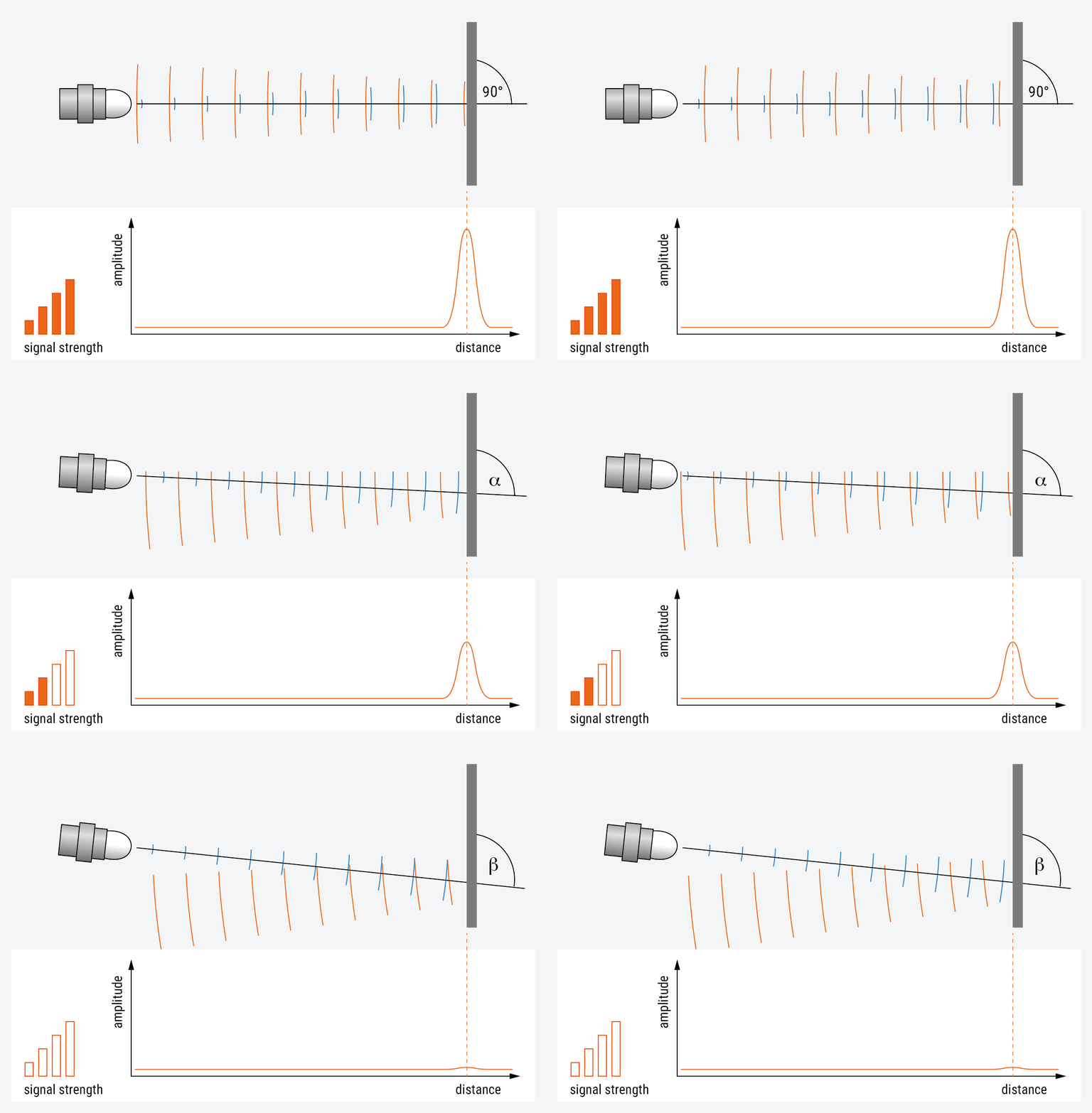
Precise alignment of the sensor to the measurement object is crucial for optimum measurement results. The maximum signal strength of the reflected radar wave is achieved by aligning the radar sensor at right angles to the surface of the measurement object. Especially with a narrow aperture angle, the tolerances for a deviation from the vertical are relatively small in order to receive a signal at all.
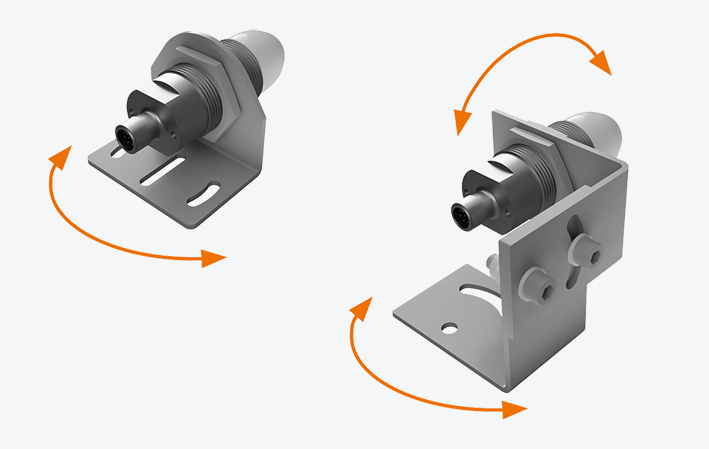
For quick and precise alignment, corresponding mounting brackets are available for the RAD5xx series.
RAD5xx series, either for rotation about one or two axes perpendicular to the measuring direction.
Angle reflector for optimizing the signal strength in the application
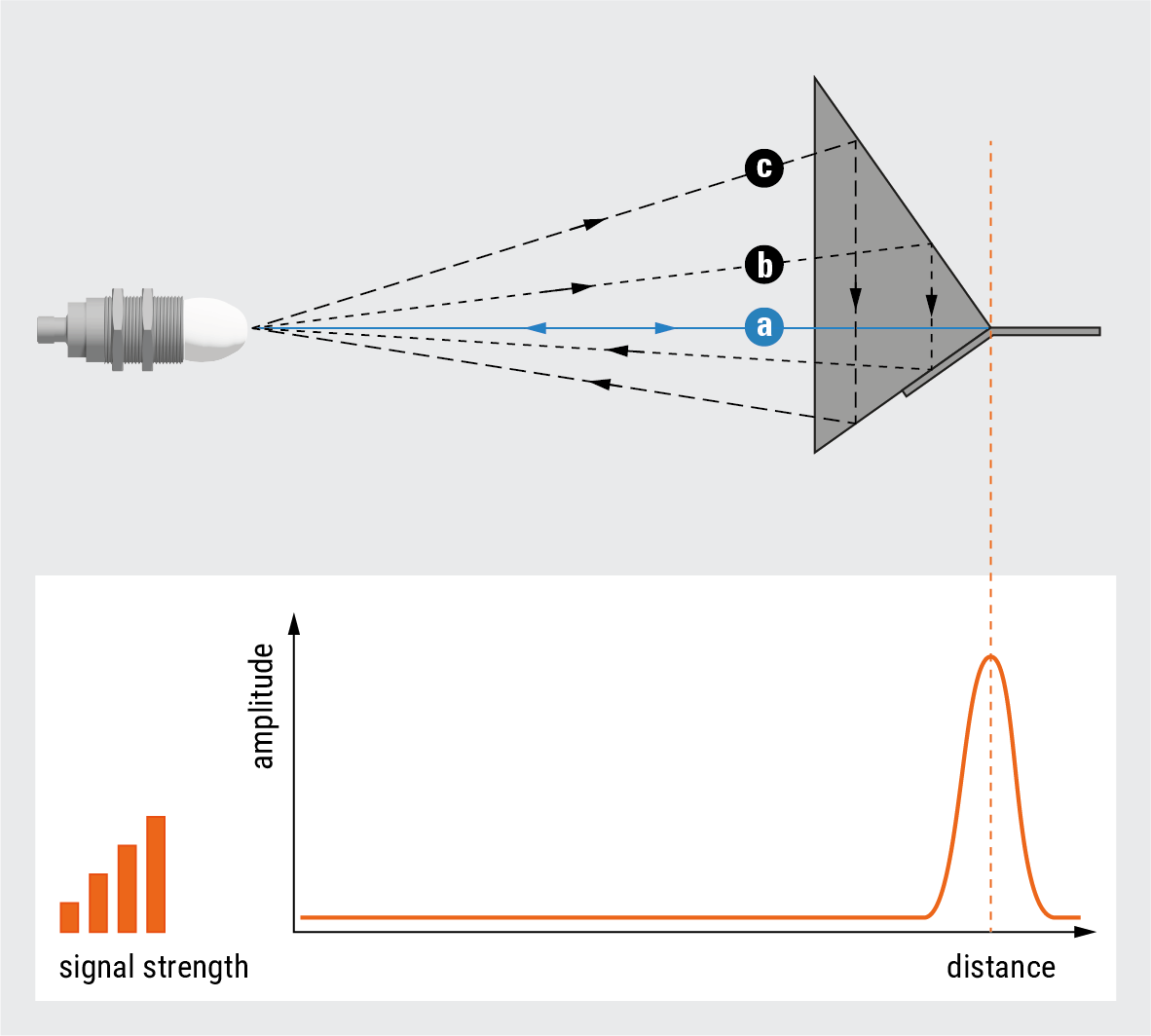
Uneven surfaces or problematic focusing on a target object at a greater distance can strongly influence the signal strength of the radar signal to be received. Angle reflectors can help to increase the signal strength for greater measurement accuracy.
- Increasing the signal strength received from a target.
- Increasing the possible angle between the sensor
and the target.
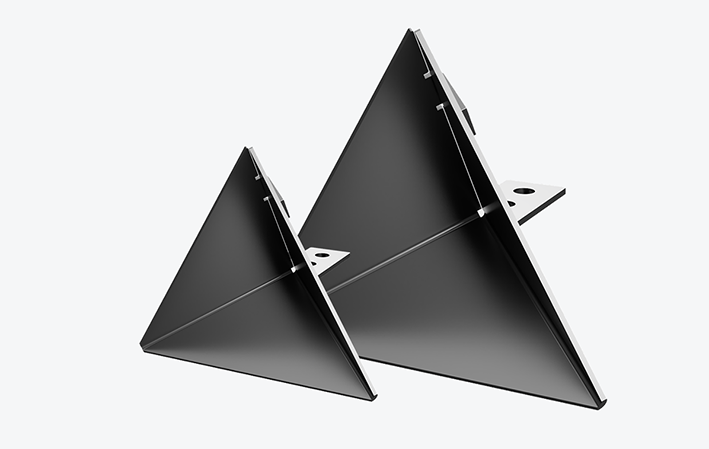
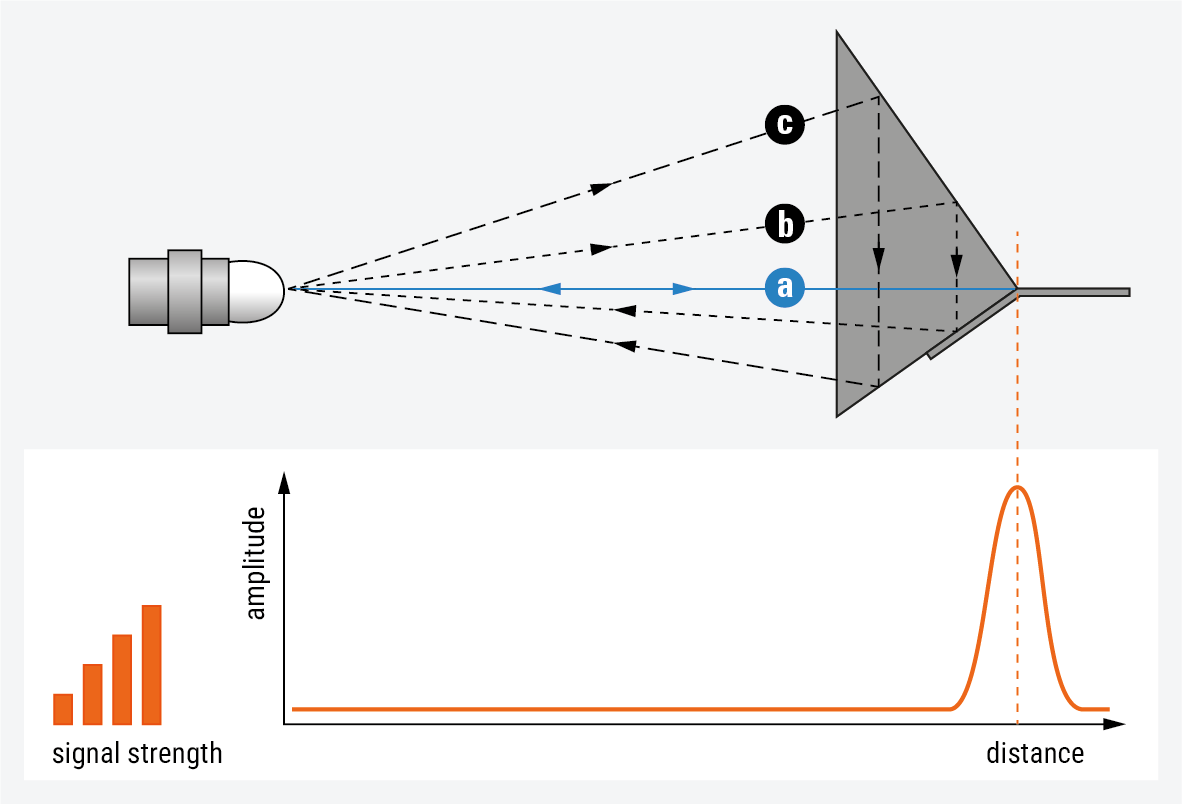
Angle reflectors "bundle" the radar signals over a larger area. The geometry is designed so that reflections at any point (b+c) travel the same distance to and from the sensor as the direct reflection (a) at a 90° angle.
Maximum transparency
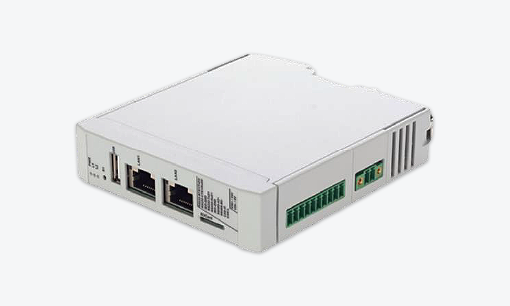
ConfigBox for easy visualization of the echo curve as well as
Setting the parameters and filter functions
For transferring the sensor data to a PC/laptop. After connecting the sensor to the PC via the ConfigBox, the configuration software is opened via the browser.
The software can be used to configure the sensor to the respective
application requirements or to check its status during operation. In addition to the visualization of the echo curve, the following settings can be configured:
- Configuration of the analog interface
- Setting the switching points for the switching outputs
- Setting the measuring range
- Definition of the signal threshold value
- Selection of the desired signal for multiple peaks
- and much more.
Radar sensors for demanding measurement tasks with high precision

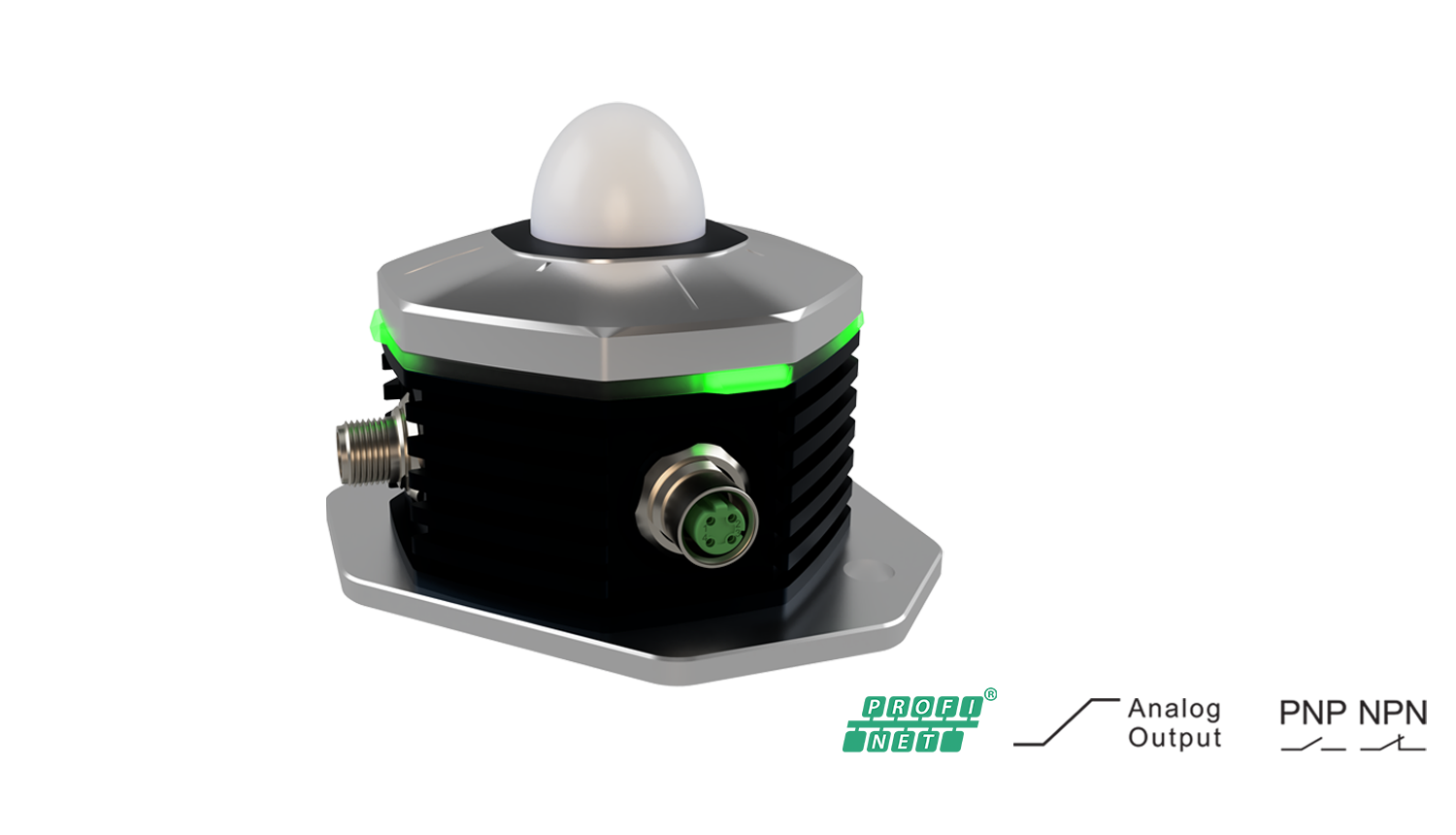
Fast and precise with maximum focus and a real-time measurement rate of 500 Hz. Also available as innovative system solutions for profile, width and thickness measurements.
- Narrow aperture angle ±1.5° for high measuring signal
- Linearity up to ±0.3 mm
- Measuring range 0.1 m to 6 m or 0.3 to 50 m
- Intelligent accessories for easy commissioning and
for protection against high heat - PROFINET interface with additional 4 ... 20 mA interface
and three digital switching outputs PNP/NPN
Maximum signal strength
Mounting plate for fine angle adjustment
For an optimum measurement result, the exact alignment of the
of the sensor to the measurement object is crucial for optimum measurement results. The maximum
signal strength of the reflected radar wave is determined by the
radar sensor is aligned at right angles to the surface of the target.
surface of the measurement object. Especially with a narrow aperture angle
the tolerances for a deviation from the perpendicular are
are relatively small in order to receive a signal at all.
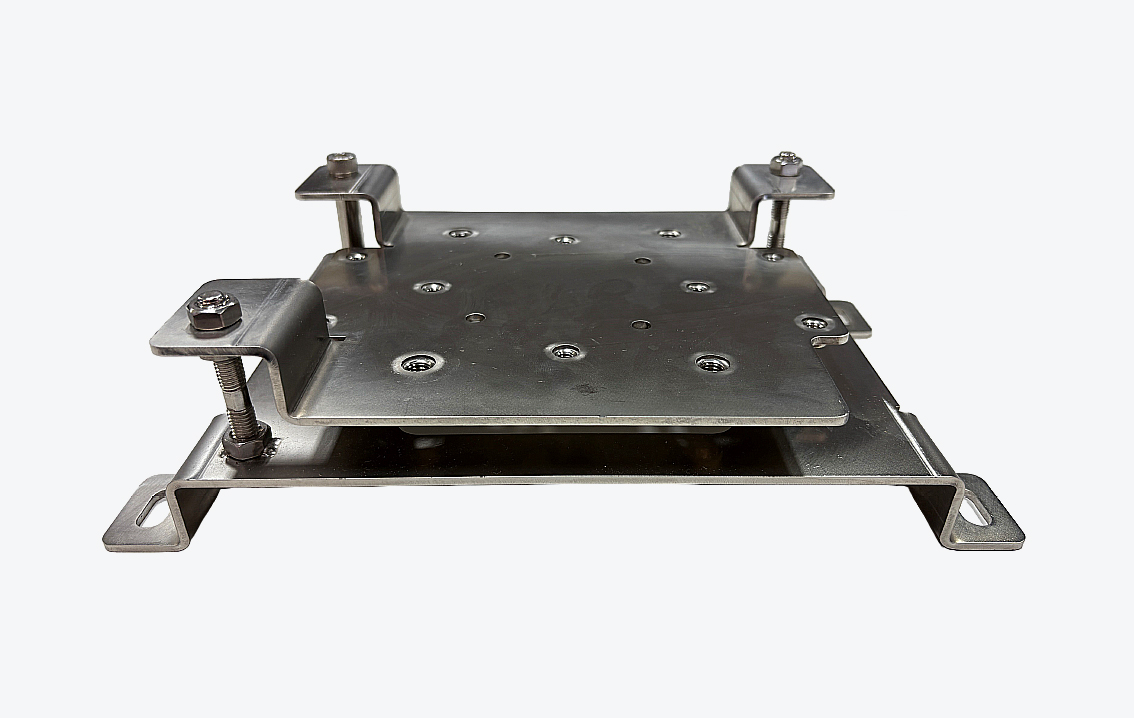
For fine angle adjustment of the RAD7xx radar sensor, a special
special mounting plate. Using 2 adjustment screws, the plate can be
plate can be adjusted up to ±2 mm horizontally and ±1.5 mm vertically.
Threaded holes allow the RAD7xx to be mounted both directly and
directly or with the heat protection housing to the mounting plate.
fastened
Angle reflector for optimizing the signal strength in the application
Uneven surfaces or problematic focusing on a target object at a greater
target object at a greater distance can greatly influence the signal strength of the
radar signal to be received. To increase
signal strength for greater measurement accuracy, angled reflectors can
Angle reflectors can help here.
- Increasing the signal strength received from a target.
- Increasing the possible angle between sensor and target.
Angle reflectors "bundle" the radar signals over a larger area.
area. The geometry is designed in such a way that reflections at each
(b+c) travel the same distance to and from the sensor as the direct reflection
the direct reflection (a) at a 90° angle.
Maximum heat protection
Heat protection housing with connection for air cooling
The heat protection housing for the RAD7xx radar sensors has an
has an active cooling system. It enables operation of the
sensors even at extreme ambient temperatures of up to
1600 °C.

Radar sensors for distance measurement – Typical applications
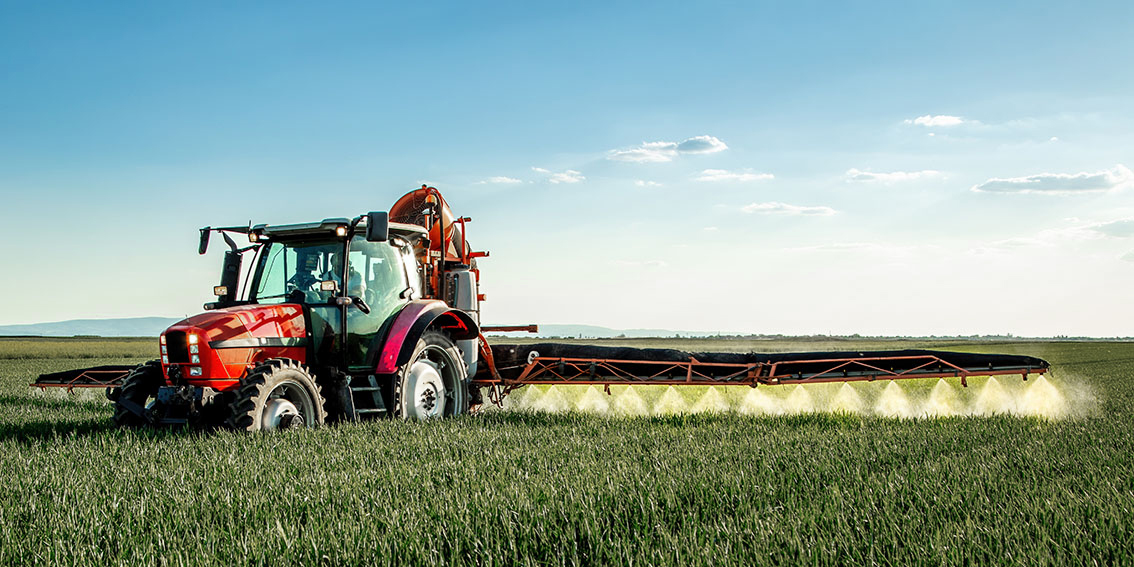
Height control of spray booms
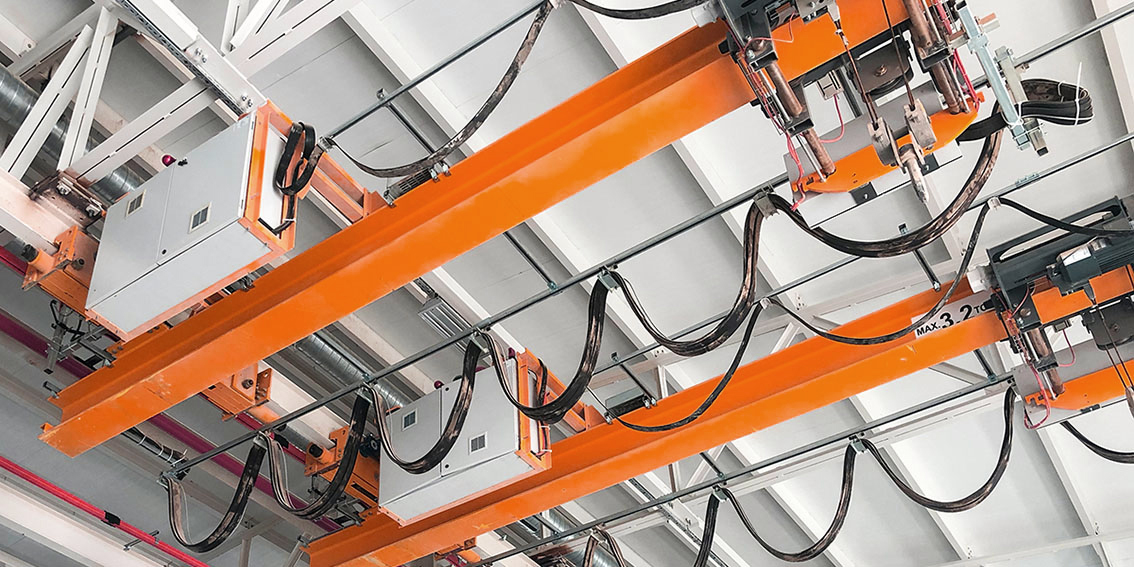
Position control in crane applications

Distance control between mobile machines

Precise positioning of robot arms
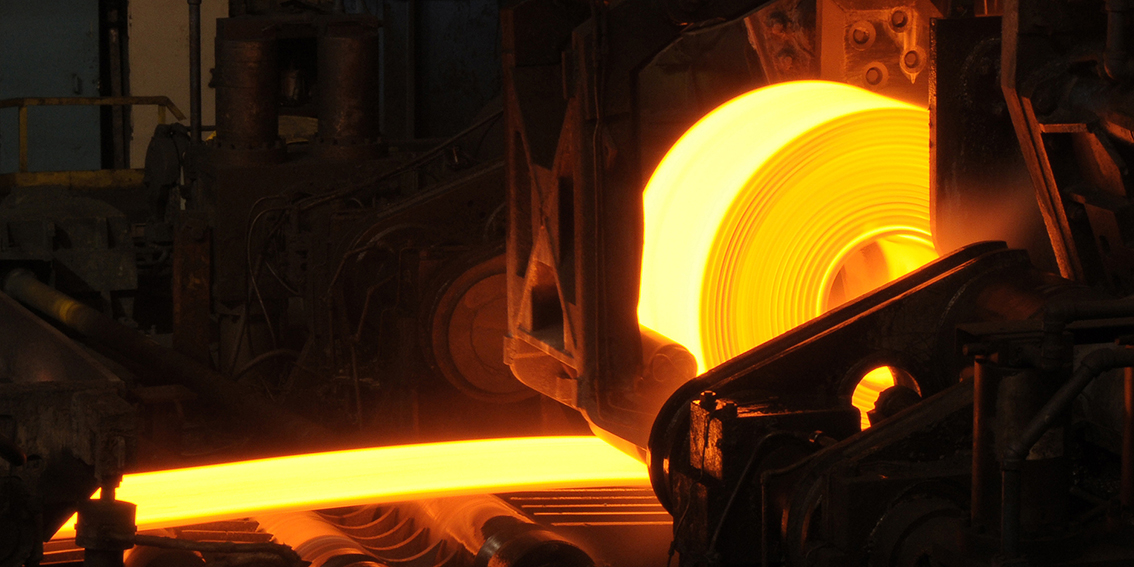
Diameter control sheet steel rollers