
 Due to a technical problem, our website is only available to a limited extent. This also affects our download service area. We are already working on the solution and ask for your understanding.
RAD78P radar sensor for high-precision distance change measurement
With a unique linearity of ±1 µm, a real-time measurement rate of 500 Hz and a powerful Profinet industrial interface for easy integration into the machine control system, the fast, precise radar sensor opens up new areas of application in which measurement technology was previously not used.
RAD78P radar sensor for high-precision distance change measurement
With a unique linearity of ±1 µm, a real-time measurement rate of 500 Hz and a powerful Profinet industrial interface for easy integration into the machine control system, the fast, precise radar sensor opens up new areas of application in which measurement technology was previously not used.
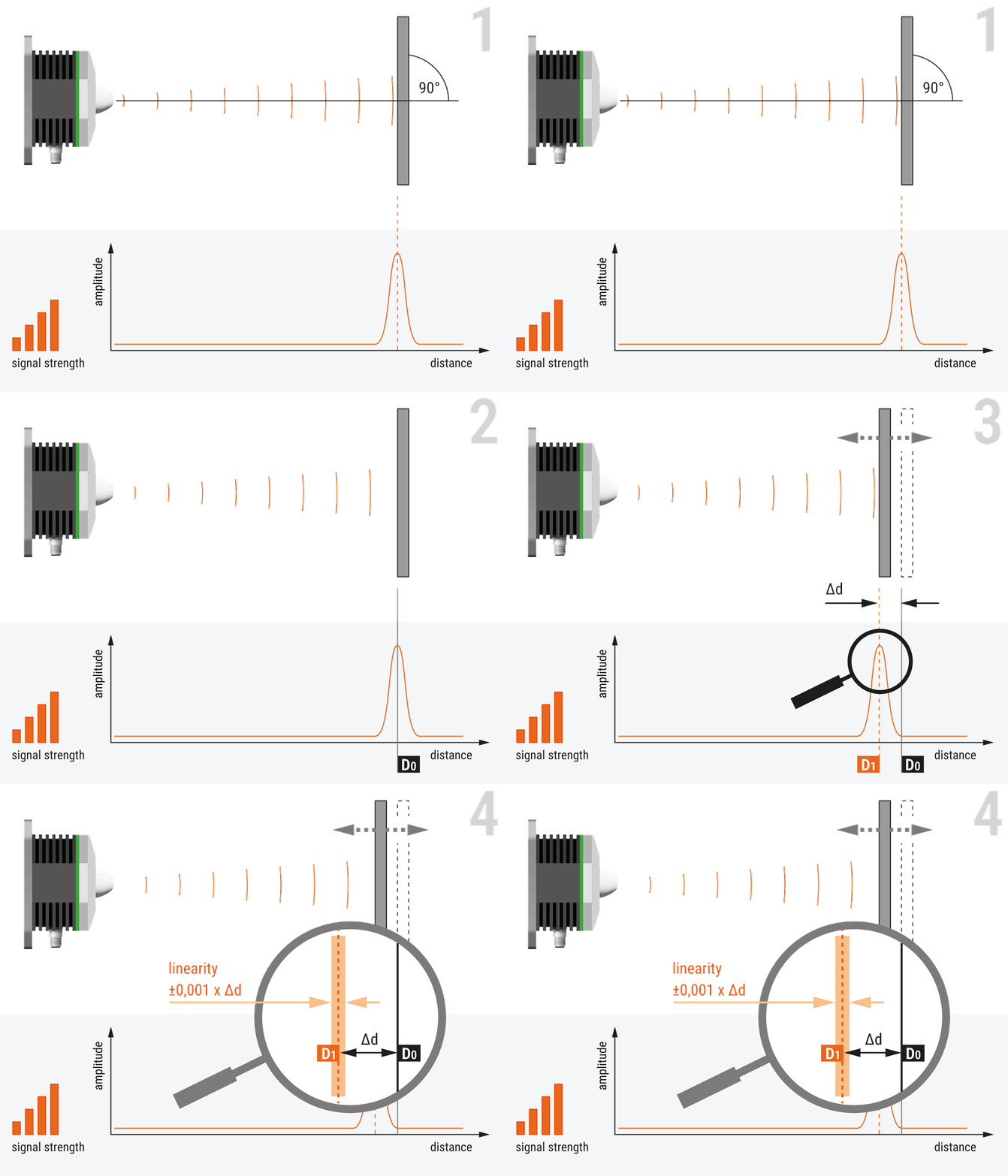
Functional principle of distance change measurement
- Alignment of the sensor to the target object.
- Definition of the determined position as the reference point (zero point D0) for further measurements.
- Each movement of the target object (D1) is determined as a change in distance ∆d in relation to the zero point D0.
- The linearity of the measurement corresponds to ±0.1 % of the change in distance ∆d. This results in extremely low linearity deviations for the smallest changes in the position of the target object.
Advantages of Kübler radar sensors

HIGH PRECISION
For measuring small changes in distance with maximum accuracy and linearity of up to ±1 µm!

RELIABLE
Reliable and fast measurement even in the presence of dust, steam, smoke, vibrations or extreme temperatures
ECONOMIC
Minimal maintenance:
no moving parts - contactless measurement - hardly any cleaning required
Function examples Distance change measurement RAD78P
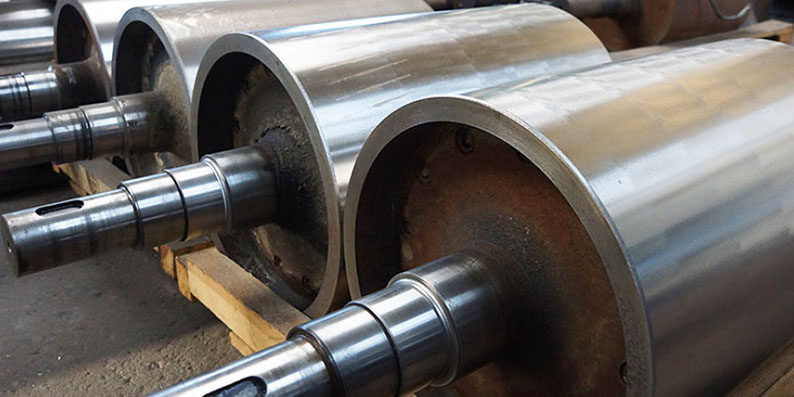
Monitoring the concentricity of rollers
Detection of the smallest inaccuracies in the concentricity of rollers, which can indicate bearing damage or defects in the surface, for example.
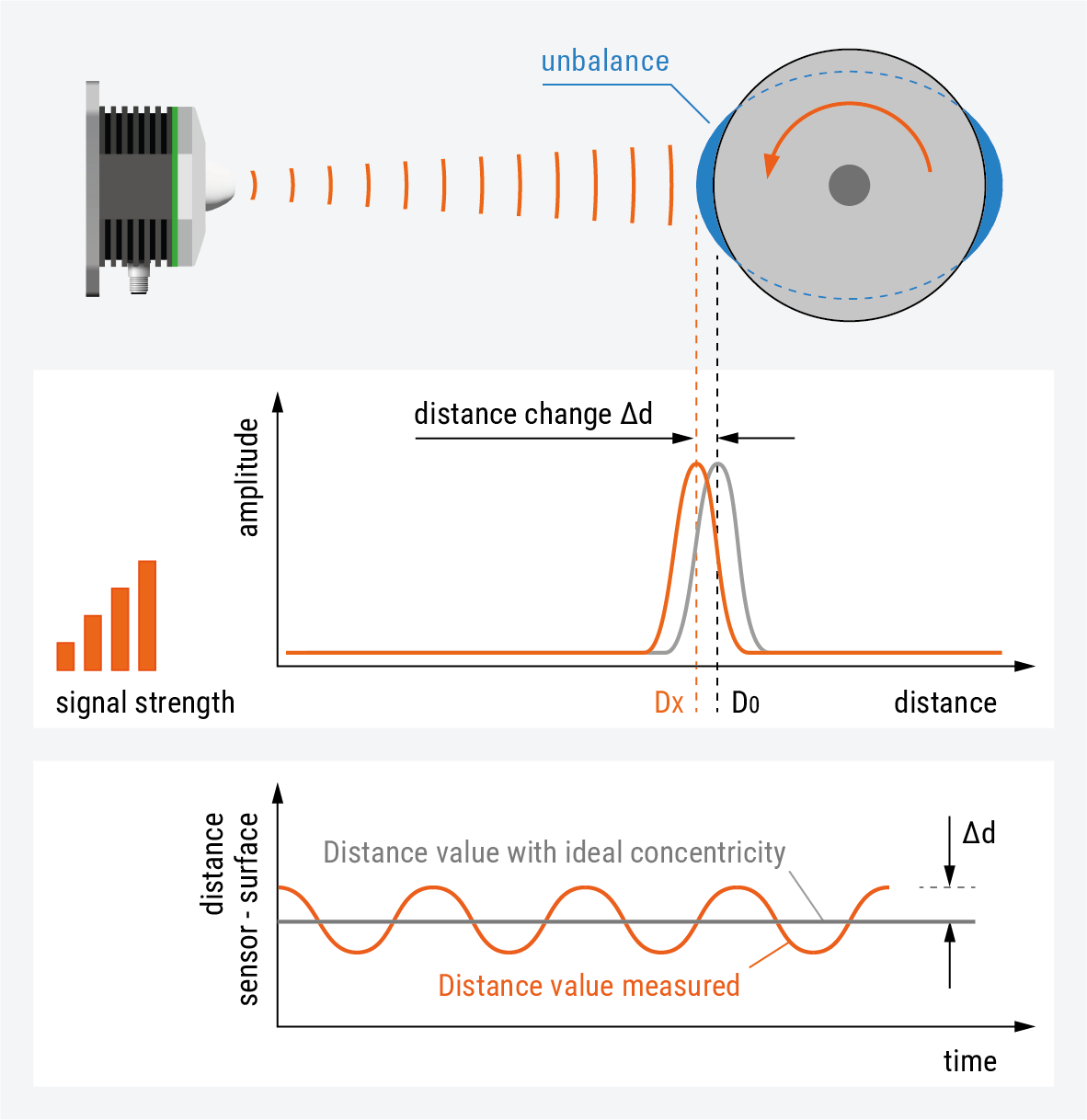
The surface of the roller is detected by the radar sensor and defined as the zero point - D0. When the roller rotates, the smallest deviations of the surface in relation to D0 are detected.
Monitoring of surface structures
During the production or processing of panel material, the smallest deviations in the surface (changes in thickness, damaged areas due to production errors) can be detected.
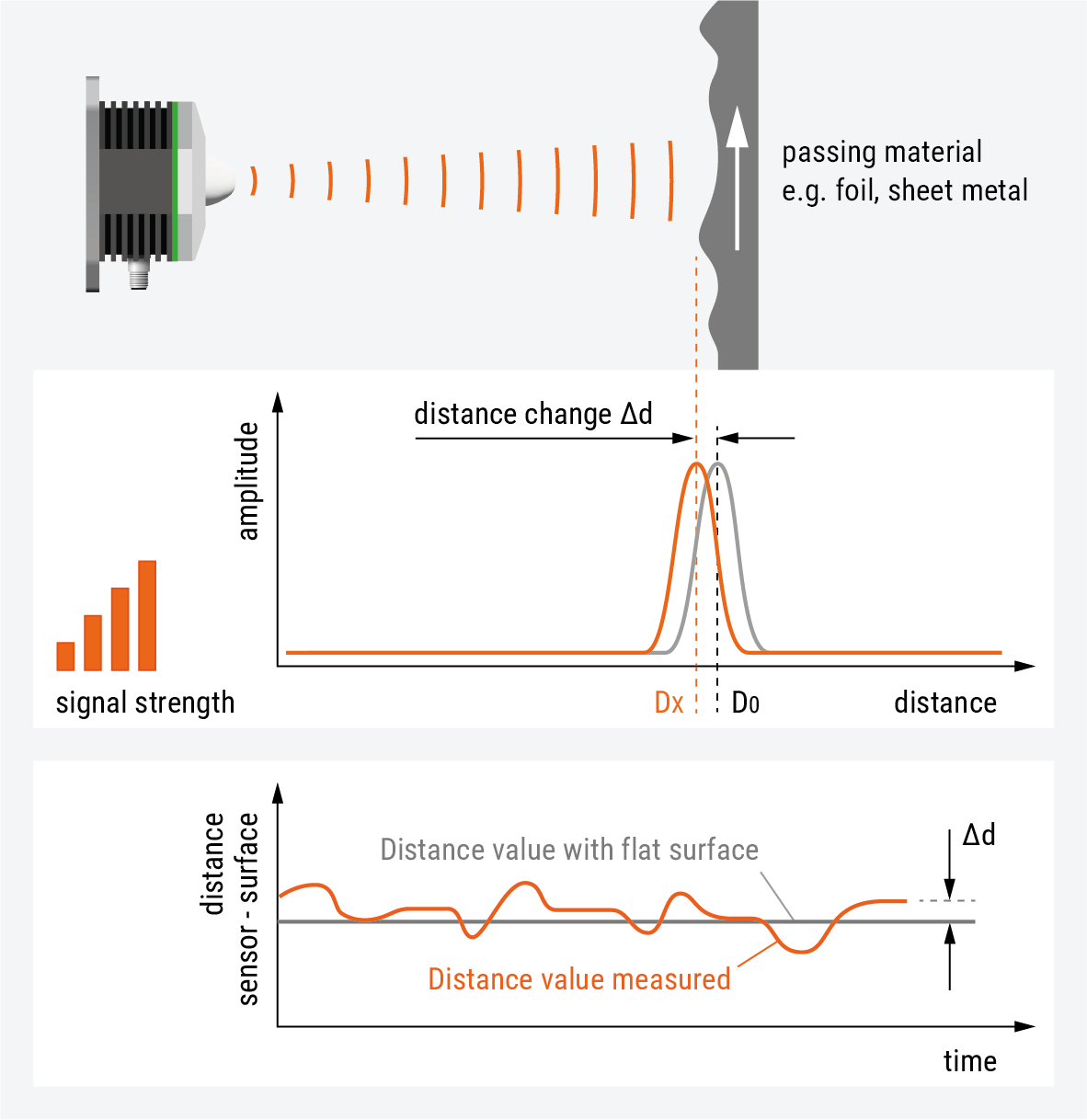
Detection of the change in distance from a target value (zero point D0) to an actual value in the surface of materials that are moved past the radar sensor.

High-precision building and bridge monitoring
Monitoring of the smallest distance changes in the µm range for early detection of impermissible deviations before damage occurs.
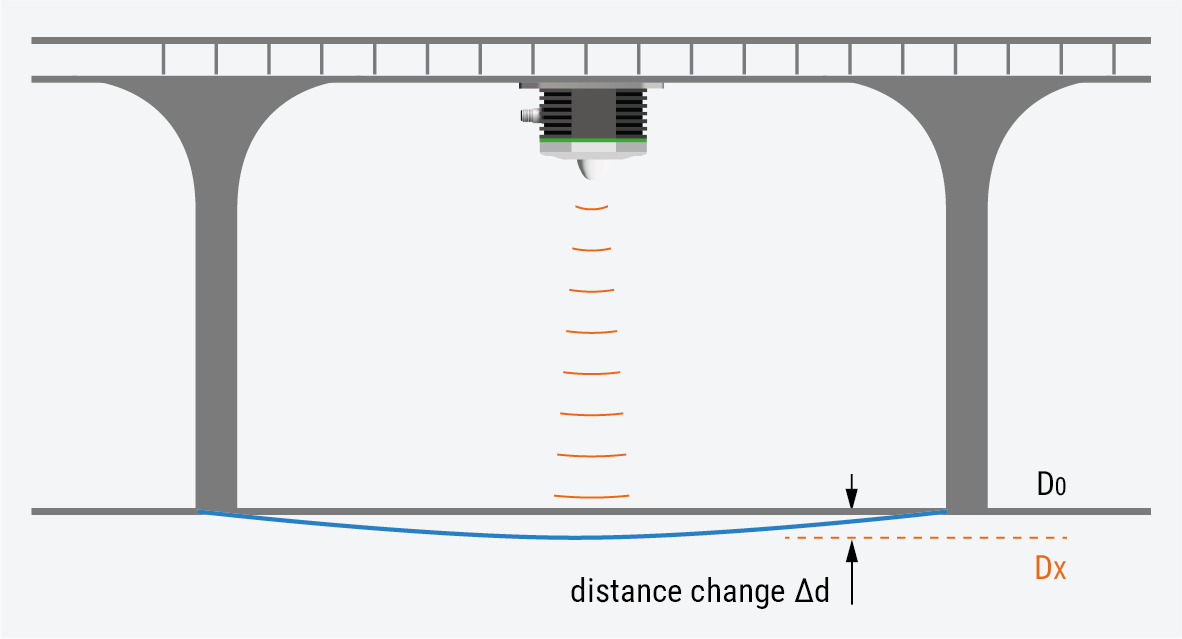
One option for monitoring the condition of the bridge is sensor-based monitoring of bridge vibrations and deflection when heavy vehicles cross or load the bridge. The sensor is simply mounted underneath the bridge and then continuously measures the distance to the ground - e.g. to the road surface. The radar sensor uses the change in distance to detect even the smallest vibrations of the bridge with high accuracy.
Radar sensors for high-precision distance change measurements in the µm range

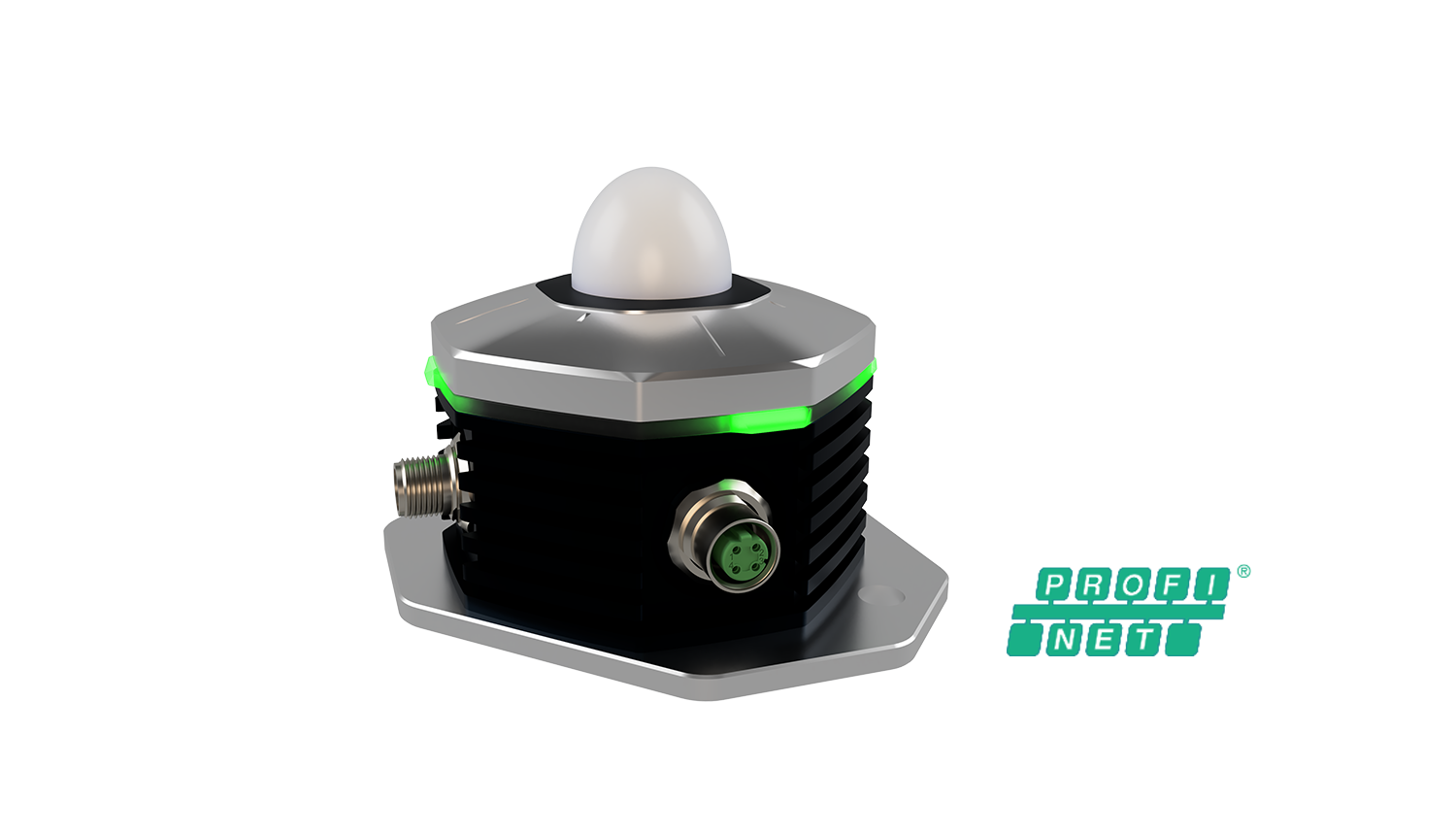
Fast and highly precise with maximum focus and a real-time measurement rate of 500 Hz.
- Linearity 0.1% of the determined distance change
- Narrow aperture angle ±1.5° for high measuring signal
- Repeatability up to ±1 µm
- 0.1 m to 40 m measuring range
- Intelligent accessories for easy commissioning and
for protection against high heat - PROFINET interface
Maximum signal strength
Mounting plate for fine angle adjustment
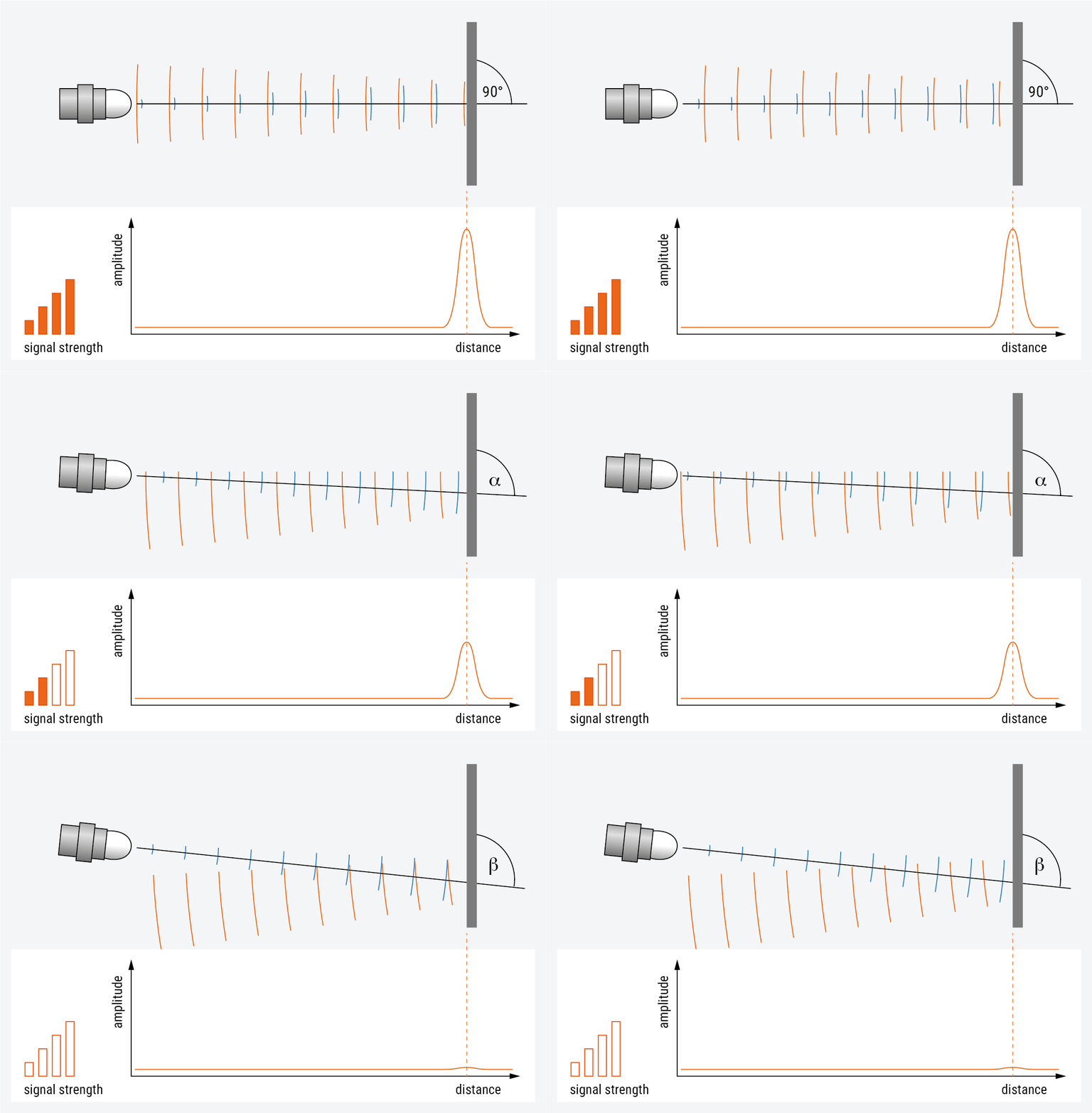
For an optimum measurement result, the exact alignment of the
of the sensor to the object to be measured is crucial. The maximum
signal strength of the reflected radar wave is determined by the
radar sensor is aligned at right angles to the surface of the target.
surface of the measurement object. Especially with a narrow aperture angle
the tolerances for a deviation from the perpendicular are
are relatively small in order to receive a signal at all.
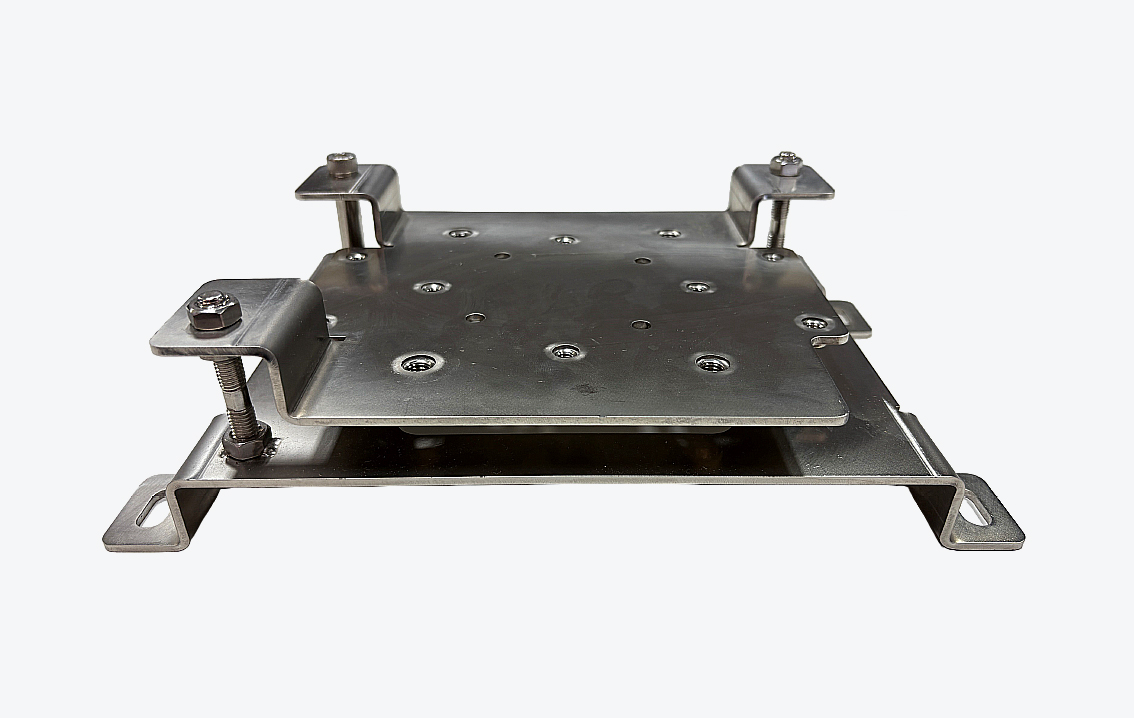
For fine angle adjustment of the RAD7xx radar sensor, a special
special mounting plate. Using 2 adjustment screws, the plate can be
plate can be adjusted up to ±2 mm horizontally and ±1.5 mm vertically.
Threaded holes allow the RAD7xx to be mounted both directly and
directly or with the heat protection housing to the mounting plate.
fastened
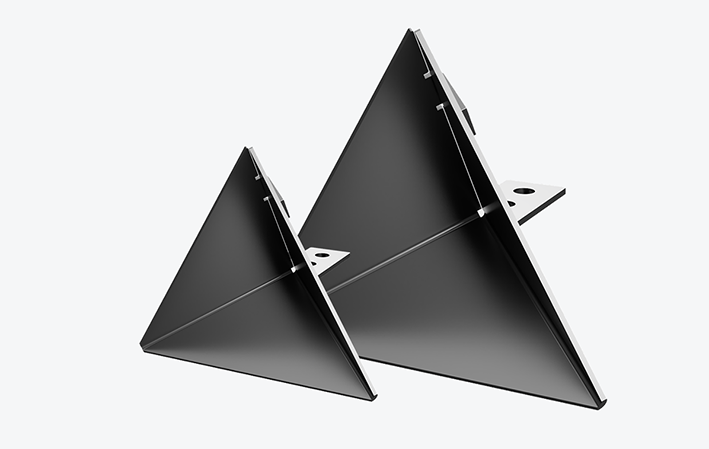
Angle reflector for optimizing the signal strength in the application
Uneven surfaces or problematic focusing on a target object at a greater
target object at a greater distance can greatly influence the signal strength of the
radar signal to be received. To increase
signal strength for greater measurement accuracy, angled reflectors can
Angle reflectors can help here.
- Increasing the signal strength received from a target.
- Increasing the possible angle between sensor and target.
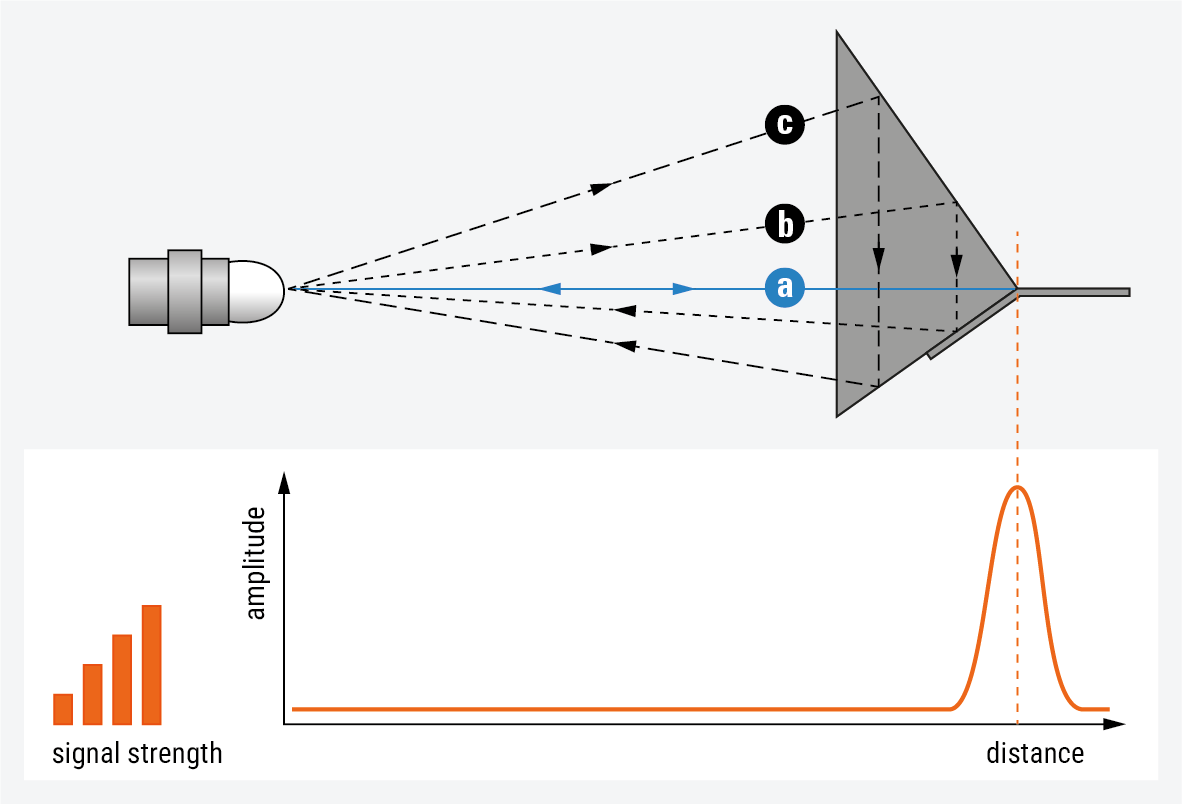
Angle reflectors "bundle" the radar signals over a larger area.
area. The geometry is designed in such a way that reflections at each
(b+c) travel the same distance to and from the sensor as the direct reflection
the direct reflection (a) at a 90° angle.
Maximum heat protection
Heat protection housing with connection for air cooling
The heat protection housing for the RAD7xx radar sensors has an
has an active cooling system. It enables operation of the
sensors even at extreme ambient temperatures of up to
1600 °C.

